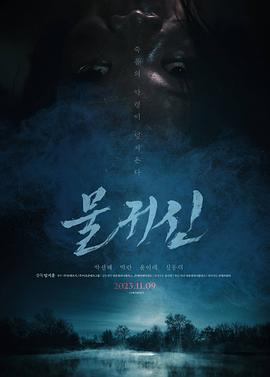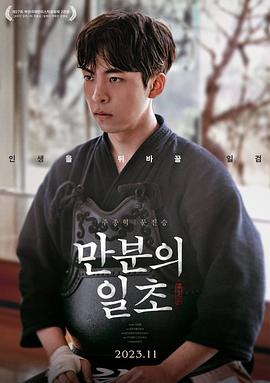
At first glance, it seems like an ordinary sports movie based on Kendo. Jaewoo, who joins the national team selection process, is treated as a soon-to-be eliminated player from the first day. However, IRON MASK does not simply follow the typical sports movie formula. It sets the tension high early on, by showcasing an intense confrontation between Jaewoo and the unbeatable top-ranked player, Taesu. From there, it gradually reveals why Jaewoo is there, peeling away the layers of his story like an onion. Thus, the film expands beyond being just a sports movie and veers into sharp psychological drama. The sharpness of Jaewoo’s emotions is vividly reflected in his Kendo, while also representing the challenges he must unravel in his life. The ending is quite thought-provoking. The captivating cinematography exudes the excitement of Kendo matches in an electrifying way, making IRON MASK worthy of note. (Rhana JANG)
源自:https://www.bifan.kr/eng/program/program_view.asp?pk_seq=6557sc_category_seq=6022sc_num=1ampactEvent=view
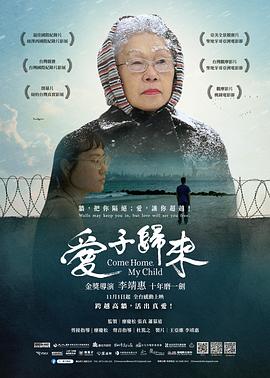
In this powerful documentary, Mama Yang, an 84-year-old woman living in New York, finds herself in correspondence with 45 high security prison inmates she views as her own children. Most are Chinese American immigrants, and see in Mama Yang a mother figure they never knew before they stepped through prison walls.
For Mama Yang though, the story is about more than Christian charity. She had already lived a full life in Taiwan when her husband died at age sixty and her son lost their house in a financial blunder. She moved to the US to start anew and lives with a Taiwanese American granddaughter that remains distant. In a film marked by family separations, Mama Yang writes letters – whether to the incarcerated or to her own granddaughter – to heal lifetimes of wounds.